
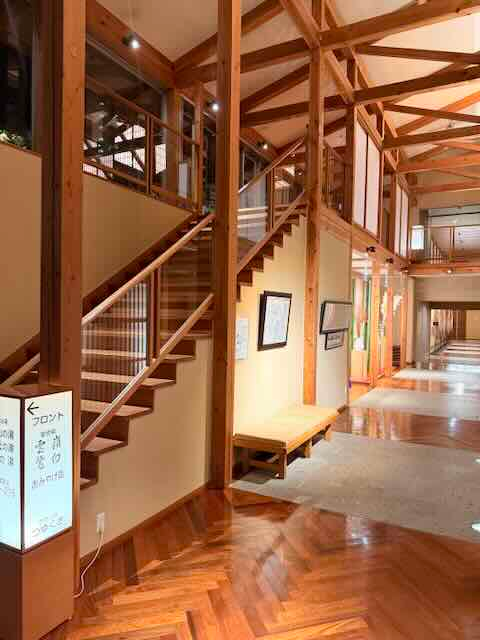


There’s a Japanese concept—omotenashi—often translated as hospitality, though the word itself doesn’t quite hold it.
It describes a form of care that is prepared in advance, delivered without performance, and offered without expectation. Nothing is asked of the guest. Nothing is announced by the host.
When it works, you barely notice it happening.
What’s striking about this approach is where the burden lives.
The responsibility is entirely on the provider to observe closely, anticipate accurately, and remove friction before it appears. If the guest has to ask, something has already failed.
There is no charm offensive.
No friendliness theater.
No insistence on engagement.
Just quiet correctness.
This kind of care is easy to underestimate—especially in cultures that confuse attentiveness with enthusiasm, or service with visibility.
But omotenashi is built on restraint.
It assumes that excess explanation is intrusive.
That over-checking breaks immersion.
That the highest form of respect is not to interrupt someone’s ease.
I’ve always been drawn to environments that operate this way.
Hotels where nothing needs clarifying.
Meals that arrive exactly when they should.
Spaces where you feel accommodated without being managed.
Not because they feel indulgent—but because they feel considered.
There’s a lesson here that extends well beyond hospitality.
Care doesn’t need to be loud to be felt.
Competence doesn’t need an audience.
And the most meaningful forms of attention often disappear into the experience itself.
When things are designed properly, the user never sees the scaffolding.
It just feels at ease.
I’m increasingly uninterested in experiences that ask to be admired.
I’m far more interested in those that understand what’s required—and quietly deliver it.
That difference is subtle.
But once you notice it, it’s hard to accept anything else.


